Wisconsin Pool Water Analysis

Wisconsin Pool Water Analysis

Ensuring your pool water is safe and clean requires routine testing and precise chemical balancing. Power Pool Service provides a in depth water analysis service that plays a vital role in maintaining healthy and enjoyable swimming conditions. Whether you’re an experienced pool owner or new to pool care, understanding the testing process and its benefits is essential for safe and fun swimming.

Introduction to Pool Water Analysis

Proper pool maintenance begins with understanding the state of your pool water. Wisconsin, known for its beautiful summers, presents unique challenges in maintaining pool water quality due to fluctuating temperatures and seasonal changes from the other four seasons. Pool water analysis involves measuring chemical levels such as chlorine, pH, and alkalinity to prevent harmful microorganisms, algae growth, and imbalances that can cause irritation or damage pool equipment.

Our pool water analysis service provides comprehensive insights into water testing methods, schedules, and professional services available in Wisconsin, ensuring your pool remains a safe haven for swimmers.

Why is Wisconsin Pool Water Analysis Essential?

Balanced pool water safeguards swimmers from health risks like skin irritation, eye discomfort, and infections caused by bacteria or algae. Additionally, it protects your pool from long-term damage. The importance of Wisconsin pool water analysis lies in:

  • Health Protection: Preventing harmful bacteria and algae growth.
  • Optimal Enjoyment: Eliminating discomfort caused by chemical imbalances.
  • Prolonged Equipment Life: Avoiding corrosion and scaling in pool components.
service_feature_1_2

24/7 Quality Service

We provide tests within our subscription services as well as stand off when available.

service_feature_1_3

Easy Fast Service

We aim to maintain clear communication for our services year round.

Where can I get my pool water tested?

For Wisconsin residents, many local pool professionals, including Power Pool Service in Waukesha County, offer free and professional pool water testing services. The process is simple:

  1. Collect a Sample: Use a clean container to gather water from elbow depth.
  2. Visit a Professional Service: Take your sample to Poolside’s showroom or another trusted service.
  3. Receive an Analysis: Experts will test the sample and provide guidance on adjusting chemical levels.

How does pool water testing work?

Pool water testing identifies chemical levels and contaminants, ensuring the water is safe for use. At professional facilities like Poolside:

  1. pH levels are assessed to determine acidity or alkalinity.
  2. Chlorine and bromine levels are measured for disinfection effectiveness.
  3. Tests identify foreign particles, harmful bacteria, or algae.

Why do pools need regular testing and treatment?

Pools, if left untreated, become breeding grounds for harmful bacteria and algae. Overuse of chemicals can also lead to issues like:

  • Burning Eyes: Caused by high acidity or incorrect chlorine levels.
  • Skin Irritation: Imbalanced pH can irritate sensitive skin.

Regular pool water analysis ensures these issues are avoided, maintaining a pH balance of 7.2–7.8, ideal for compatibility with the human body.

Best practices for wisconsin pool water testing

When Should I Test My Pool Water?

Testing frequency depends on pool usage, weather conditions, and the chemicals used. Experts recommend:

  • Daily Testing: For heavily used pools or during heatwaves.
  • Weekly Testing: During regular usage.
  • Professional Testing: At least three times per swimming season.

Please refer to a professional pool cleaning service company like Power Pool Service and always make sure to be up to date with current Wisconsin and CDC Guidelines.

Pool Water Testing Methods

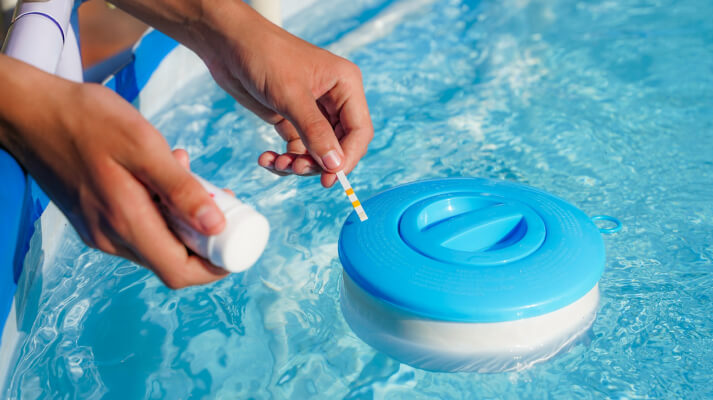
There are two main methods for at-home water testing:

Using Test Strips

  1. Submerge the strip in water for 5–15 seconds.
  2. Compare color changes to a chart.

Using Reagent Drops

  1. Collect water in a test tube.
  2. Add reagent drops and shake.
  3. Match the water color to a guide for results.

Alkalinity, Chlorine, and pH: The ABCs of Pool Testing

Maintaining pool balance starts with the ABCs:

  • A: Alkalinity (80–120 ppm).
  • B: Bromine/Chlorine (Chlorine: 1–3 ppm, Bromine: 3–6 ppm).
  • C: pH (7.2–7.8).

Professional Pool Water Testing Services in Wisconsin

Power Pool Service offers expert water testing and customized recommendations for pool maintenance. Services include:


FAQs

Why is chlorine important for pool water?

Chlorine eliminates bacteria and harmful microorganisms, ensuring safe swimming conditions.

How often should pool water be shocked?
Shock treatment is typically needed once a week or after heavy usage.

Can I use homemade methods for pool water testing?
While possible, professional kits or services offer more accurate results.

What happens if my pool water is too acidic?
Acidic water can cause eye irritation, corrode pool parts, and damage liners.

What is the ideal pH level for pool water?
A pH level between 7.2 and 7.8 is optimal for swimmer comfort and equipment safety.

Why should I use professional testing services?
Professionals provide detailed insights and tailored solutions for maintaining perfect water balance.