Welcome to Power Pool Service Company
Welcome to Power Pool Service Company
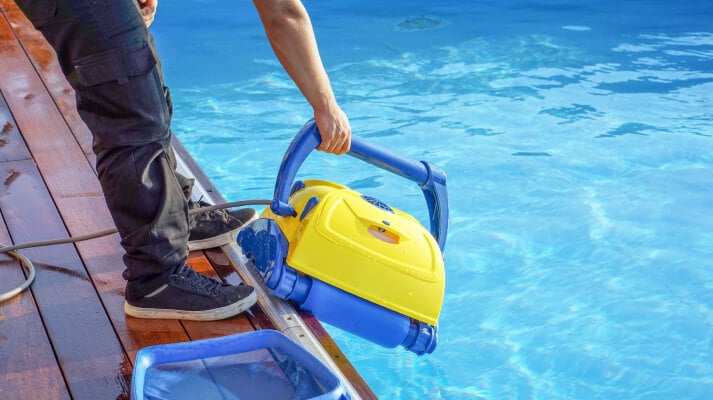
Maintaining a swimming pool may seem daunting at first, but with the right approach, it’s a manageable and rewarding process. By focusing on circulation, cleaning, and chemistry, you can ensure your pool remains a safe and inviting oasis. This comprehensive guide simplifies pool maintenance into easy-to-follow steps, offering expert insights and actionable advice.
Pool maintenance is the practice of keeping your swimming pool clean, clear, and safe for use. This involves a combination of regular cleaning, water chemistry adjustments, and proper equipment management. Whether you’re a new pool owner or a seasoned swimmer, effective maintenance is crucial to avoid algae growth, cloudy water, and equipment malfunctions.
Understanding what doesn’t count as pool maintenance is just as important as knowing what does. Pool maintenance specifically refers to the ongoing tasks required to keep your swimming pool clean, balanced, and operational. However, several activities and situations, while related to your pool, fall outside the realm of routine maintenance. Here are a few examples of what isn’t considered pool maintenance:
1. Pool Repairs
Fixing a cracked pool liner, replacing a broken pump, or repairing a leaking filter system are not part of regular maintenance. These tasks require specialized tools, expertise, and often involve significant time and cost. Regular maintenance helps prevent such issues, but repairs fall under a separate category of pool care. When it comes to pool repairs we recommend contacting a specialized pool expert.
2. Pool Remodeling or Upgrades
Installing a new water feature, upgrading your pool lighting, or retiling your pool deck are enhancements rather than maintenance tasks. These are one-time investments aimed at improving aesthetics or functionality, not routine upkeep.
3. Landscaping Around the Pool
While landscaping enhances your pool’s environment, it doesn’t count as maintenance. Trimming bushes, planting trees, or installing outdoor furniture may indirectly affect your pool by contributing debris or shade but aren’t considered part of its upkeep.
4. Seasonal Pool Opening and Closing
Preparing your pool for winter or reopening it for the swimming season involves tasks like covering/uncovering, draining water to appropriate levels, and reassembling equipment. These are seasonal chores, distinct from the ongoing cleaning, circulation, and chemical balancing required during the active season.
5. Swimming Pool Use or Entertainment Setup
Enjoying a pool party, adding inflatables, or setting up lounge chairs for relaxation doesn’t equate to maintenance. While these activities require some pre- and post-use care, such as cleaning or testing water, they are focused on leisure, not upkeep.
A well-maintained pool enhances your swimming experience, prolongs the life of your equipment, and ensures the health and safety of swimmers. Poor maintenance can lead to:
To maintain a pool that’s clean, safe, and inviting, think beyond the traditional “Three C’s” and embrace a more holistic framework: The Five Pillars of Pool Care. These pillars offer a comprehensive approach to pool maintenance, ensuring every aspect of your pool is cared for.
Effective circulation is the foundation of a healthy pool. When water flows consistently through the filtration system, debris is removed, and chemicals are evenly distributed. Poor circulation leads to stagnant water, promoting algae and bacteria growth.
Your pool filter plays a critical role in removing dirt, debris, and microscopic particles from the water. Without proper filtration, contaminants will quickly accumulate.
Even the best filter can’t catch everything. Regular cleaning prevents algae, staining, and scaling while maintaining a pristine pool appearance.
Balanced water chemistry ensures your pool is safe for swimmers and prevents costly damage to equipment. Test and adjust chemical levels regularly to maintain proper balance.
Taking a proactive approach to pool care saves time, money, and headaches. Regular inspections and timely interventions keep your pool running smoothly.
This expanded framework ensures no aspect of pool maintenance is overlooked. By addressing circulation, filtration, cleaning, chemistry, and preventive maintenance, you create a complete system that supports a healthy, beautiful, and stress-free pool. With this approach, your pool remains not just functional but a true source of relaxation and enjoyment.
A well-equipped pool owner is a successful one. Here are some tools you’ll need:
Skimming Tips:
Brushing Tips:
If pool care feels overwhelming, professionals like Power Pool Services can help. They offer tailored maintenance plans to suit your needs, ensuring your pool remains in top condition year-round.
What is the ideal pH level for a pool?
The ideal pH level is around 7.5 for safe and balanced water.
How often should I shock my pool?
Shock your pool every 1–2 weeks or after heavy use.
Can I use household bleach in my pool?
While possible, pool-specific chlorine products are more effective and safer.
What causes algae in pools?
Algae growth is often caused by poor circulation, low sanitizer levels, or high phosphates.
Do robotic pool cleaners replace manual cleaning?
Robotic cleaners reduce manual effort but don’t eliminate the need for occasional brushing and skimming.
How can I save on pool maintenance costs?
Use energy-efficient pumps, maintain proper chemical balance, and clean filters regularly to reduce long-term expenses.
Call us or request a quote and we will get back to you.
